Bringing Wellness Into Everyday Life: Simple Rituals That Make a Difference
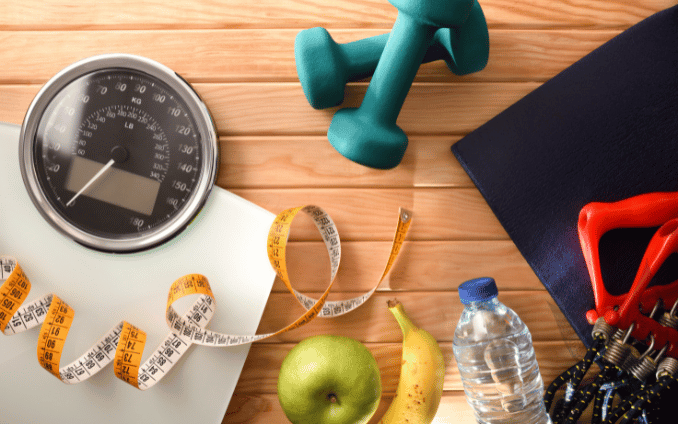
Wellness is often imagined as something reserved for spa visits, retreats, or structured fitness routines. In reality, the most meaningful wellness practices are woven into everyday life. Small, intentional rituals practiced consistently can transform physical health, mental clarity, and emotional balance.
Across Kuwait, more people are embracing wellness as a lifestyle rather than an occasional activity. This shift focuses on sustainable habits, mindful spaces, and products that support daily well-being.
Redefining Wellness Beyond Occasions
Wellness does not begin and end with appointments or schedules. It is shaped by daily choices, environments, and routines. Morning stretches, mindful breathing, evening recovery, and moments of calm all contribute to long-term balance.
By redefining wellness as a series of simple actions, it becomes more accessible and less overwhelming. The goal is not perfection. It is consistency.
Creating Micro-Moments of Calm
Even in busy homes and workdays, moments of calm are possible. A few minutes of stretching, light movement, or quiet breathing can reset the body and mind.
Wellness products designed for home use support these moments. Comfortable mats, supportive cushions, and recovery tools make it easier to pause and recharge.
These micro-moments accumulate over time, improving focus, sleep quality, and emotional resilience.
Movement as a Daily Ritual
Movement does not always mean intense workouts. Gentle stretching, yoga flows, or mobility exercises support circulation, flexibility, and posture.
Creating a dedicated corner for movement encourages regular practice. When equipment is visible, accessible, and comfortable, it naturally becomes part of the day.
Consistency matters more than intensity. Small daily movements are more beneficial than occasional strenuous sessions.
The Role of Comfort and Quality
Comfort plays a powerful role in habit formation. When wellness products feel supportive and stable, they invite repeated use.
High-quality materials improve grip, alignment, and durability. They reduce discomfort and distractions, allowing full focus on the practice.
Choosing fewer, better-designed products supports both physical safety and mental ease.
Evening Recovery and Unwinding
Evenings offer an opportunity to slow down and restore balance. Gentle stretching, self-massage, or quiet relaxation helps release tension built up during the day.
Soft lighting, calming textures, and comfortable wellness accessories support better rest and sleep quality. These rituals signal the body to unwind.
Over time, evening recovery routines improve energy levels and overall well-being.
Wellness as a Shared Experience
Wellness is not always a solo activity. Shared routines create connection and accountability. Stretching together, practicing yoga, or creating quiet family rituals strengthens relationships while supporting health.
A thoughtfully designed wellness space encourages participation without pressure. It becomes a natural gathering point rather than a formal setup.
Building Habits That Last
The most effective wellness practices are those that fit naturally into daily life. Products and spaces should support ease, not obligation.
When wellness feels accessible and enjoyable, habits form organically. Over time, these habits create lasting positive change.
TL;DR
Wellness thrives in simplicity. By integrating small, intentional rituals into everyday routines, balance becomes achievable and sustainable.
In Kuwait’s fast-paced environment, daily wellness is about creating moments of care, comfort, and movement that support long-term health. When wellness is woven into life, it becomes a natural and lasting part of well-being.